 Aix-en-Provence
 occupies a basin north of the Arc River in Provence-Alpes-Côte d’Azur. Founded by the Romans as Aquae Sextiae in 122 BC, it developed around thermal springs and remains closely associated with its fountains. The broad Cours Mirabeau, created in the 17th century along the former city walls, links the old town with the Mazarin quarter, whose regular streets reflect a later phase of urban expansion. East of the city rises Montagne Sainte-Victoire, repeatedly painted by Paul Cézanne, who was born in Aix and returned to it throughout his career. Markets, university life and the legacy of Provençal architecture give the city an active cultural identity beyond its historic centre.
Generated by AI
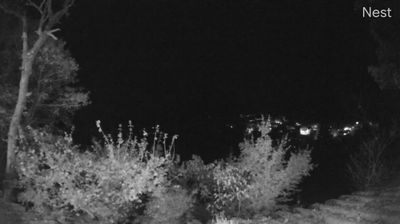


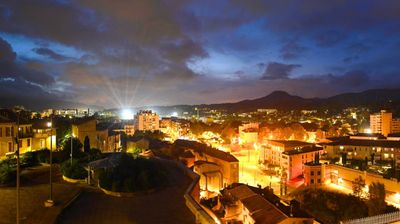


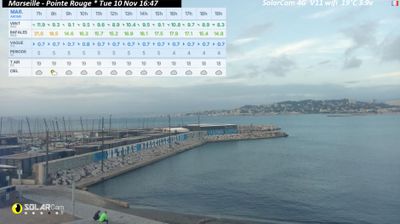
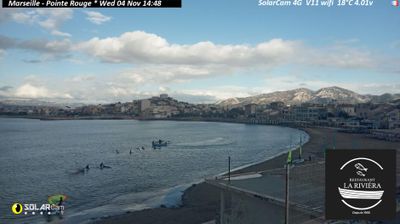

Aix-en-Provence lies between the Arc River valley and the slopes rising toward Montagne Sainte-Victoire in Provence, a setting that has long connected an urban centre with the dry, limestone country east of the city. Founded by the Romans as Aquae Sextiae in 122 BC, Aix remains known for its fountains, broad Cours Mirabeau and formal streets shaded by plane trees. Paul Cézanne was born here, and the landscape around Sainte-Victoire became a defining subject of his work. See how Aix-en-Provence fits into the wider Provence region by browsing webcams nearby.
1 webcam
Provence-Alpes-Côte d’Azur occupies France’s southeastern Mediterranean coast and Alpine borderlands. Its terrain runs from the Rhône delta and the Camargue wetlands to the limestone coves of the Calanques and the high valleys of the French Alps, while the Côte d’Azur forms its celebrated shoreline. Marseille, France’s oldest city, is a major port, and Avignon’s Palais des Papes recalls the 14th-century papal court. Inland, Provençal markets, olive cultivation and lavender-growing areas remain central to regional identity. Browse additional webcams nearby to see how Provence-Alpes-Côte d’Azur connects with the Mediterranean, the Alps and neighbouring Italy.
272 webcams
The Atlantic and Mediterranean coastlines, together with the Alps, Pyrenees and broad river basins, define much of France — they support maritime trade, farming, wine regions and travel throughout the year. The Seine runs through Paris, where the Eiffel Tower and the Louvre are among Europe’s most recognised landmarks. The Loire Valley is known for Renaissance châteaux, while Mont-Saint-Michel rises from a tidal bay in Normandy. Regional food traditions are equally distinctive, from Breton seafood to Provençal cooking, with bread, cheese and wine central to everyday life. France’s global cultural influence is evident in its language, literature, fashion and cinema. View additional webcams nearby to better understand how France’s coasts, plains and mountain borders relate to their surroundings.
2.1K webcams