 Sault: Aroma Plantes
Sault combines a long lavender-growing tradition with the broad uplands of the Albion Plateau in a way that reflects its position between Mont Ventoux and the Montagne de Lure. At the edge of the Vaucluse highlands, the commune is closely associated with fine lavender, cultivated across the plateau and used in the region’s essential-oil trade. The compact historic village stands above the Nesque valley and retains narrow streets and the Romanesque church of Notre-Dame-de-la-Tour. Lavender plots, cereal land and oak woodland define a rural part of Provence shaped by limestone soils and elevation.
Generated by AI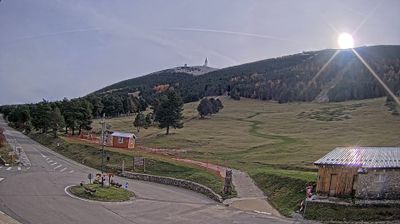


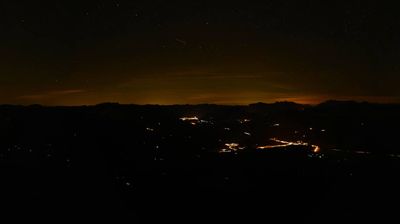



Sault straddles the boundary between the Plateau d’Albion and the Nesque valley in Provence-Alpes-Côte d’Azur, and this elevated position has long made it a farming centre in the country around Mont Ventoux. The valley of the Nesque drops away below the village, while its limestone gorges cut through the Vaucluse plateau nearby. Lavender shapes the local summer calendar: fields flower in season and distilleries process the harvest into essential oil. Sault’s compact old centre retains stone houses and narrow lanes from its former defensive role. Move on to other webcams in Provence-Alpes-Côte d’Azur to compare landscapes and settings around Sault and the Plateau d’Albion.
1 webcam
Provence-Alpes-Côte d’Azur occupies France’s southeastern Mediterranean coast and Alpine borderlands. Its terrain runs from the Rhône delta and the Camargue wetlands to the limestone coves of the Calanques and the high valleys of the French Alps, while the Côte d’Azur forms its celebrated shoreline. Marseille, France’s oldest city, is a major port, and Avignon’s Palais des Papes recalls the 14th-century papal court. Inland, Provençal markets, olive cultivation and lavender-growing areas remain central to regional identity. Browse additional webcams nearby to see how Provence-Alpes-Côte d’Azur connects with the Mediterranean, the Alps and neighbouring Italy.
268 webcams
The Atlantic and Mediterranean coastlines, together with the Alps, Pyrenees and broad river basins, define much of France — they support maritime trade, farming, wine regions and travel throughout the year. The Seine runs through Paris, where the Eiffel Tower and the Louvre are among Europe’s most recognised landmarks. The Loire Valley is known for Renaissance châteaux, while Mont-Saint-Michel rises from a tidal bay in Normandy. Regional food traditions are equally distinctive, from Breton seafood to Provençal cooking, with bread, cheese and wine central to everyday life. France’s global cultural influence is evident in its language, literature, fashion and cinema. View additional webcams nearby to better understand how France’s coasts, plains and mountain borders relate to their surroundings.
2.1K webcams